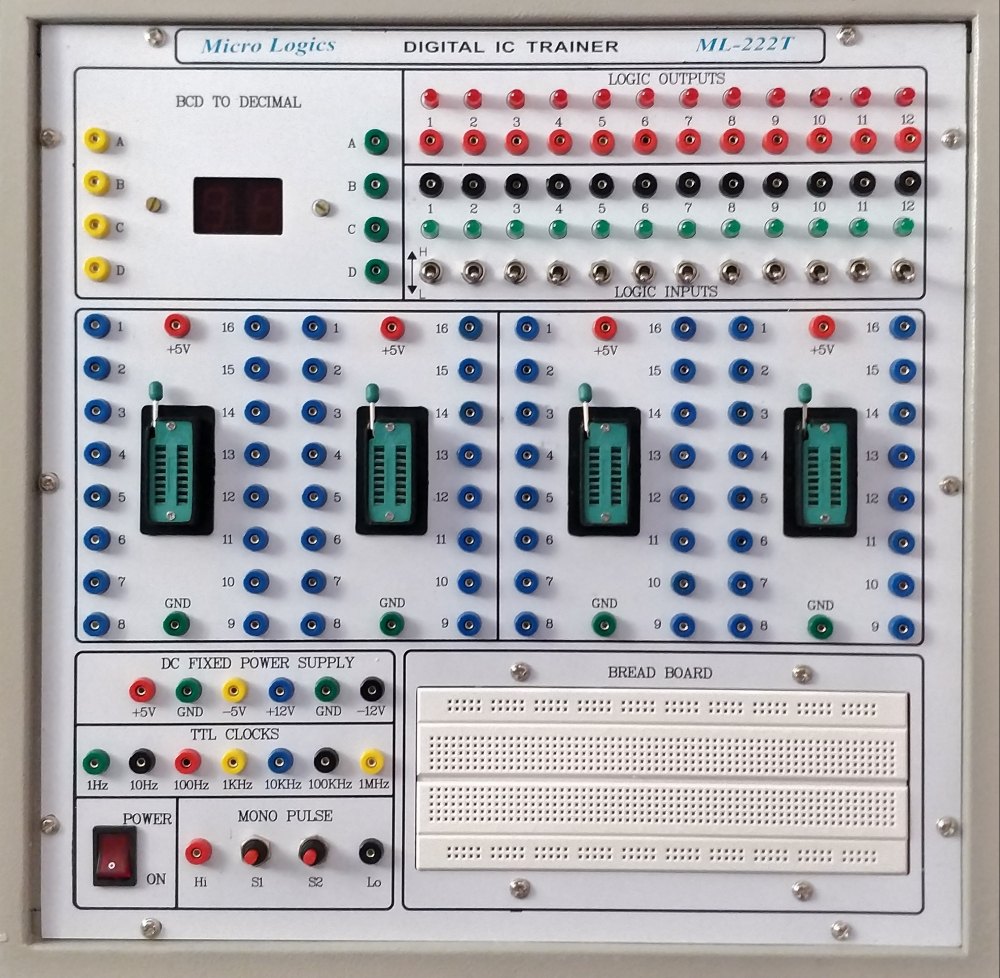
The Devices and Integrated Circuits Laboratory is a core skill-development facility of the Department of Biomedical Engineering, established to give students rigorous, practical exposure to analog and digital electronics, the foundational building blocks of modern biomedical instrumentation. The laboratory underpins the Department's outcome-based education framework, enabling learners to translate theoretical knowledge of circuit design, analysis, testing, troubleshooting and implementation into demonstrable competence.
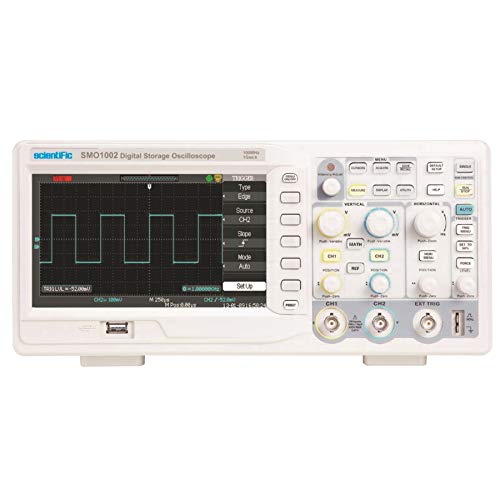
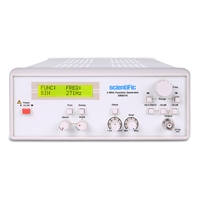
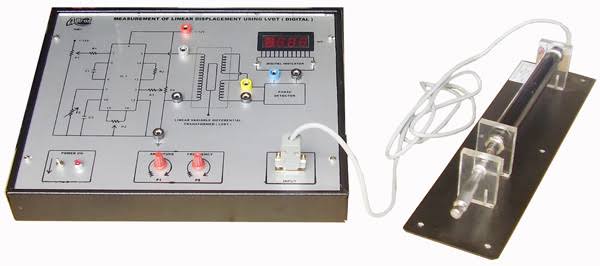
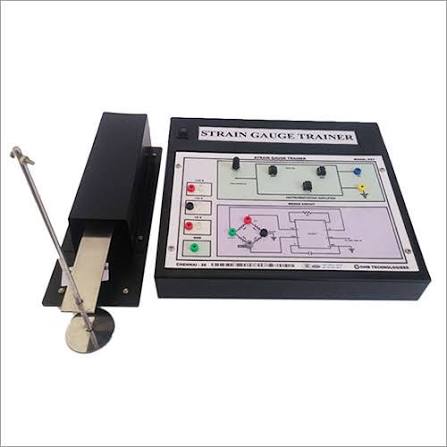
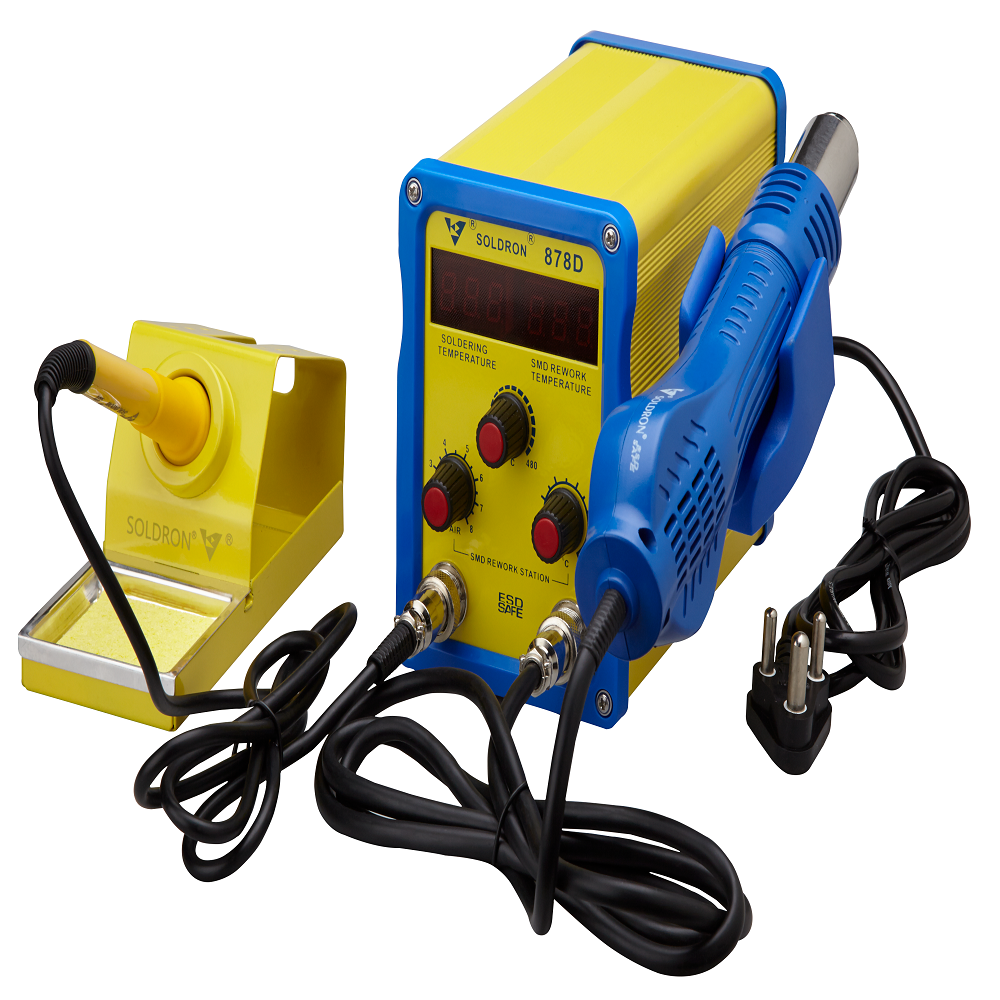
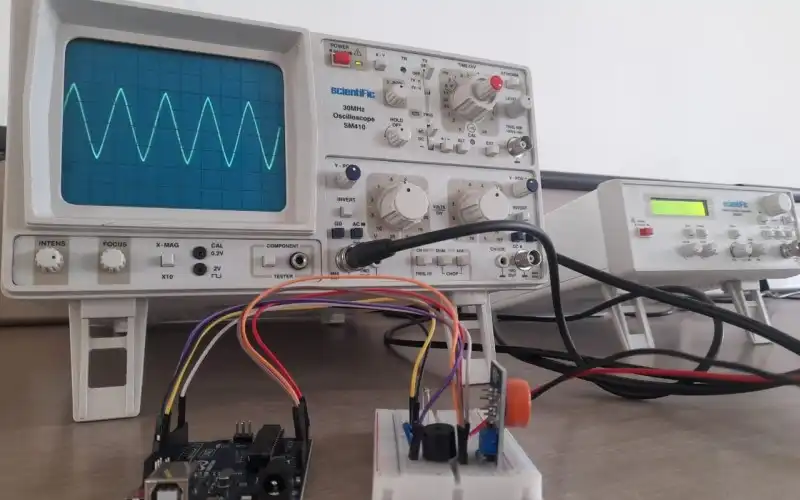
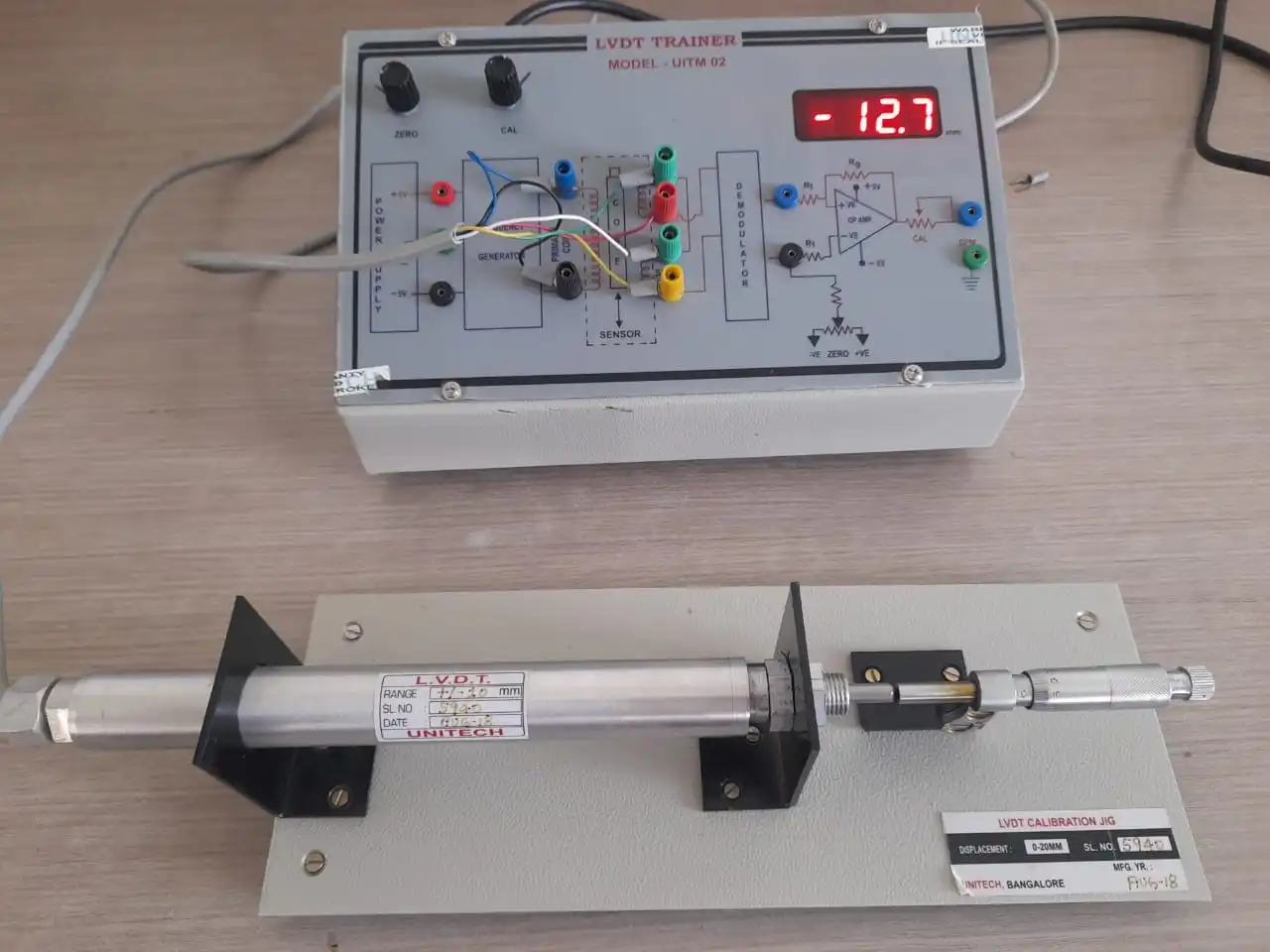
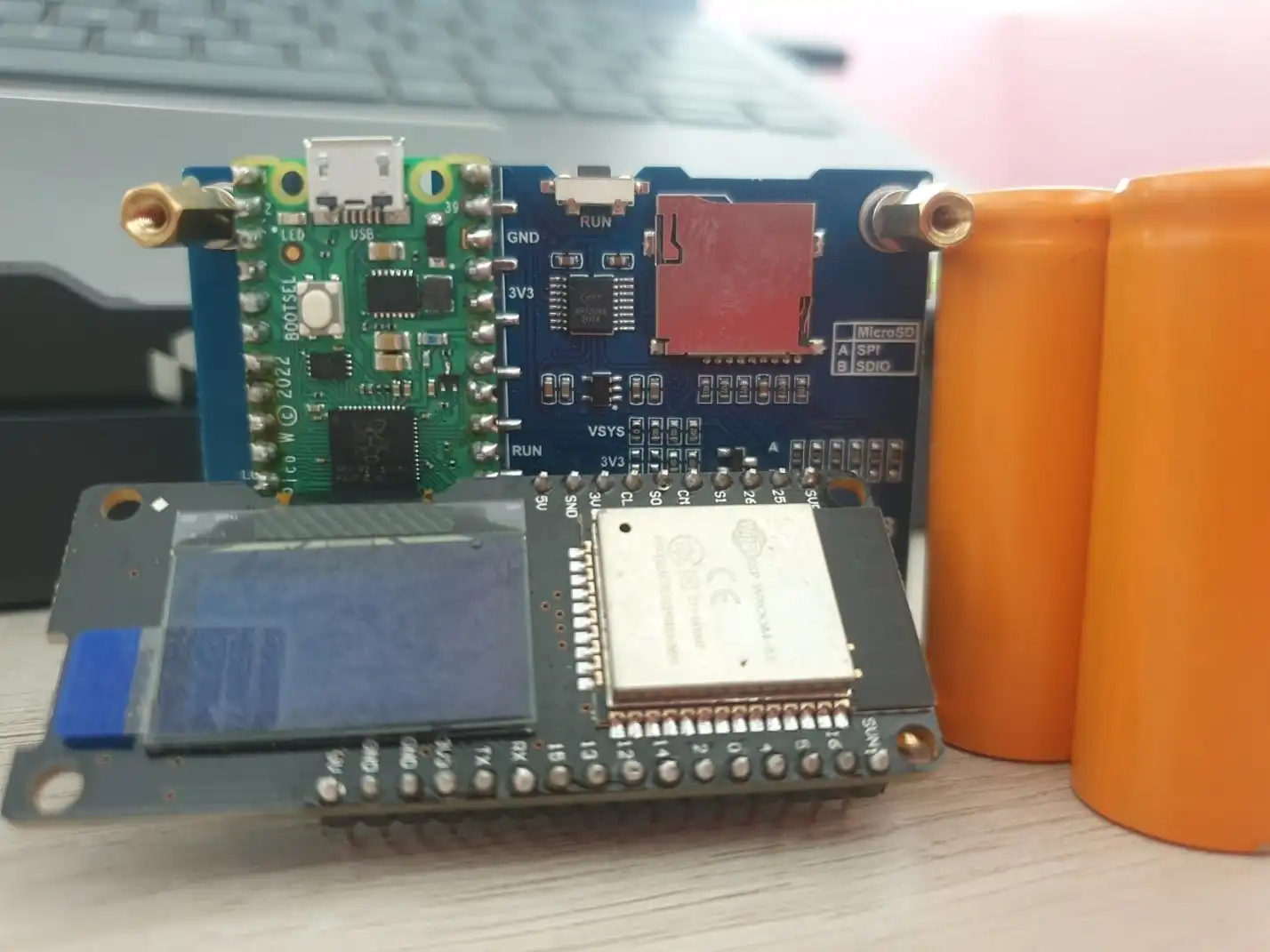
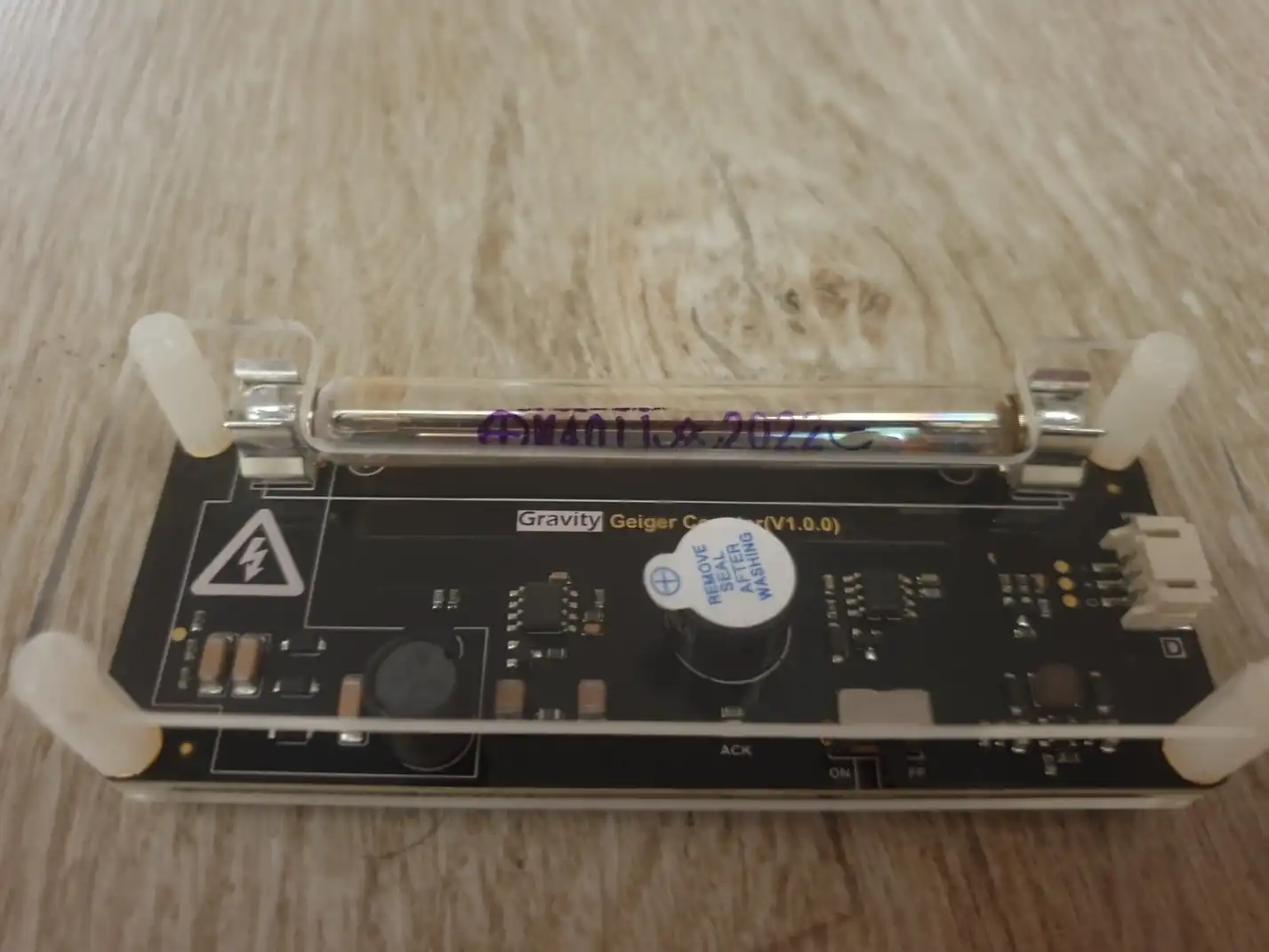
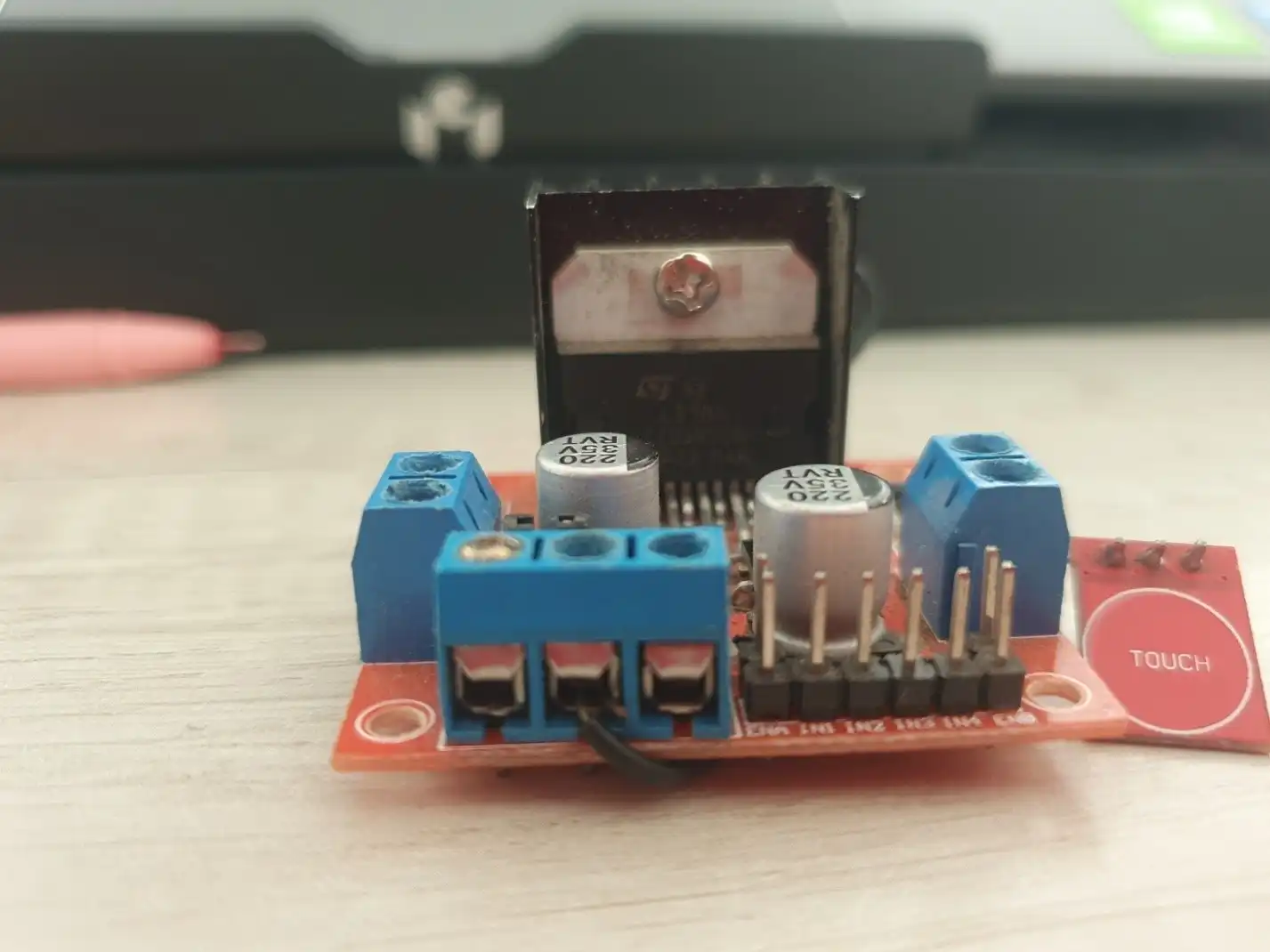
The laboratory is comprehensively equipped with electronic components, integrated circuits, regulated dual-mode DC power supplies, digital storage oscilloscopes, cathode ray oscilloscopes, function generators, digital multi-meters, soldering stations and allied test-and-measurement instrumentation, supporting experiments that range from basic circuit analysis and component characterisation to the design, simulation and realisation of functional electronic systems. To reinforce the biomedical focus of the curriculum, the laboratory additionally houses sensors, signal-conditioning modules, measurement interfaces and instrumentation trainer kits, giving students structured exposure to sensor characterisation, signal acquisition and processing and biomedical instrumentation design.
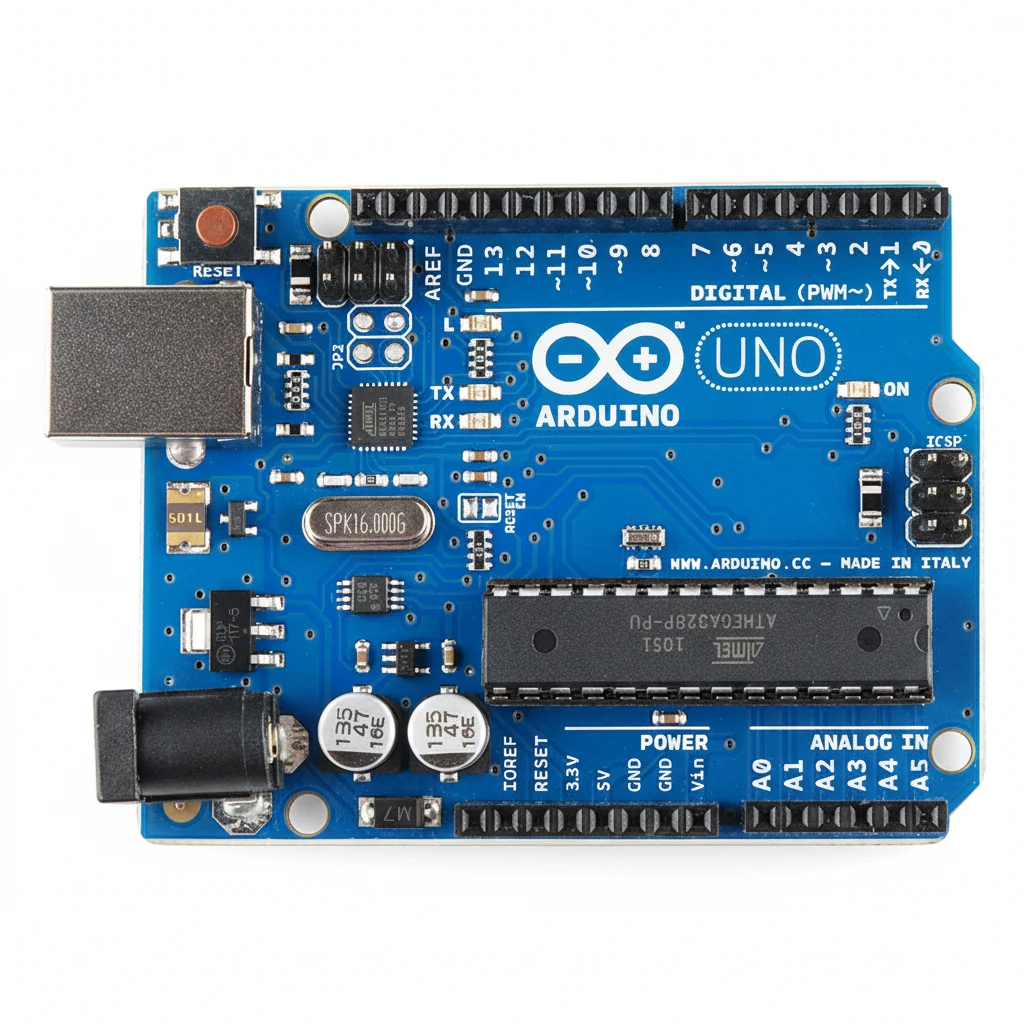
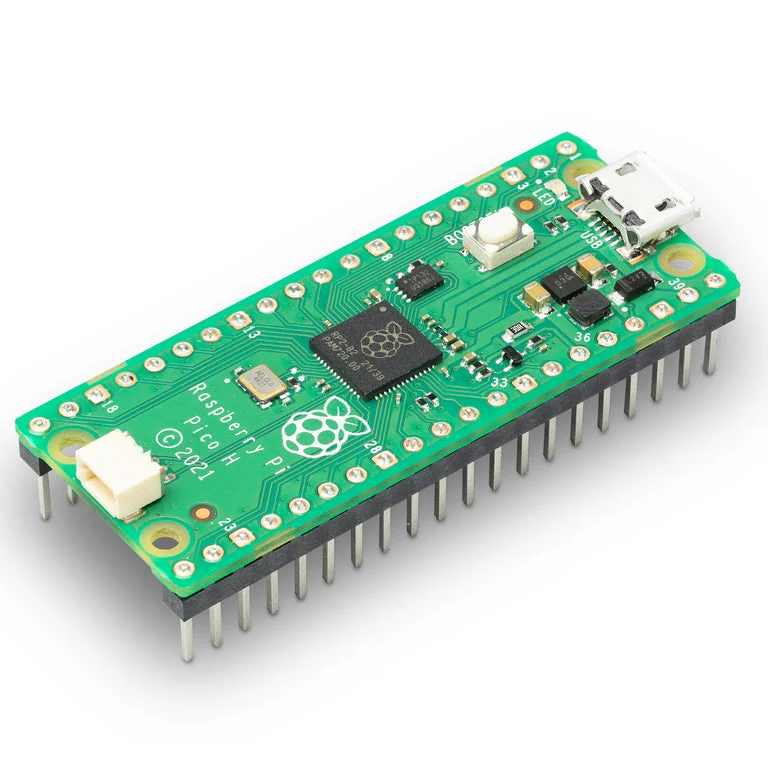
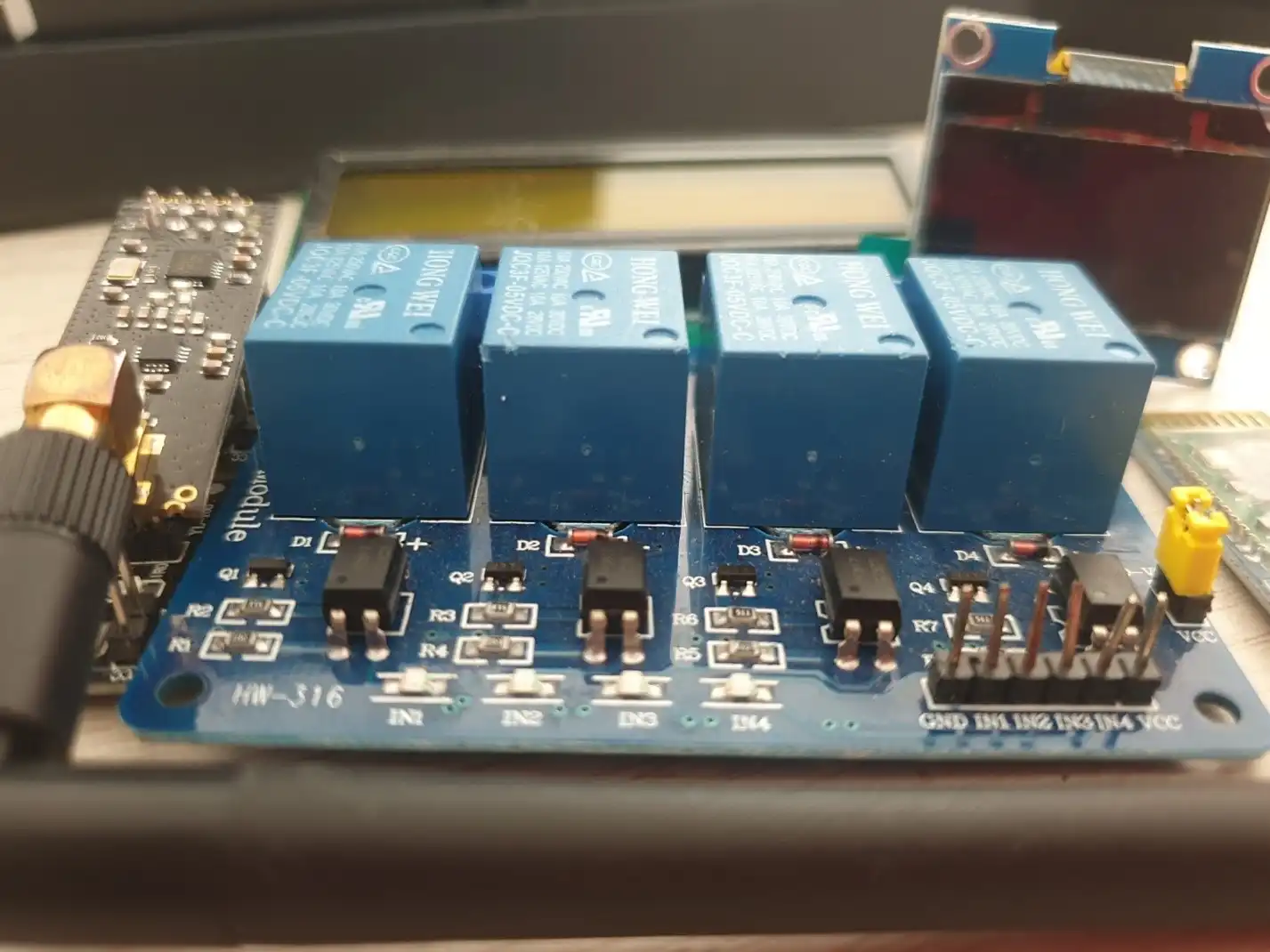
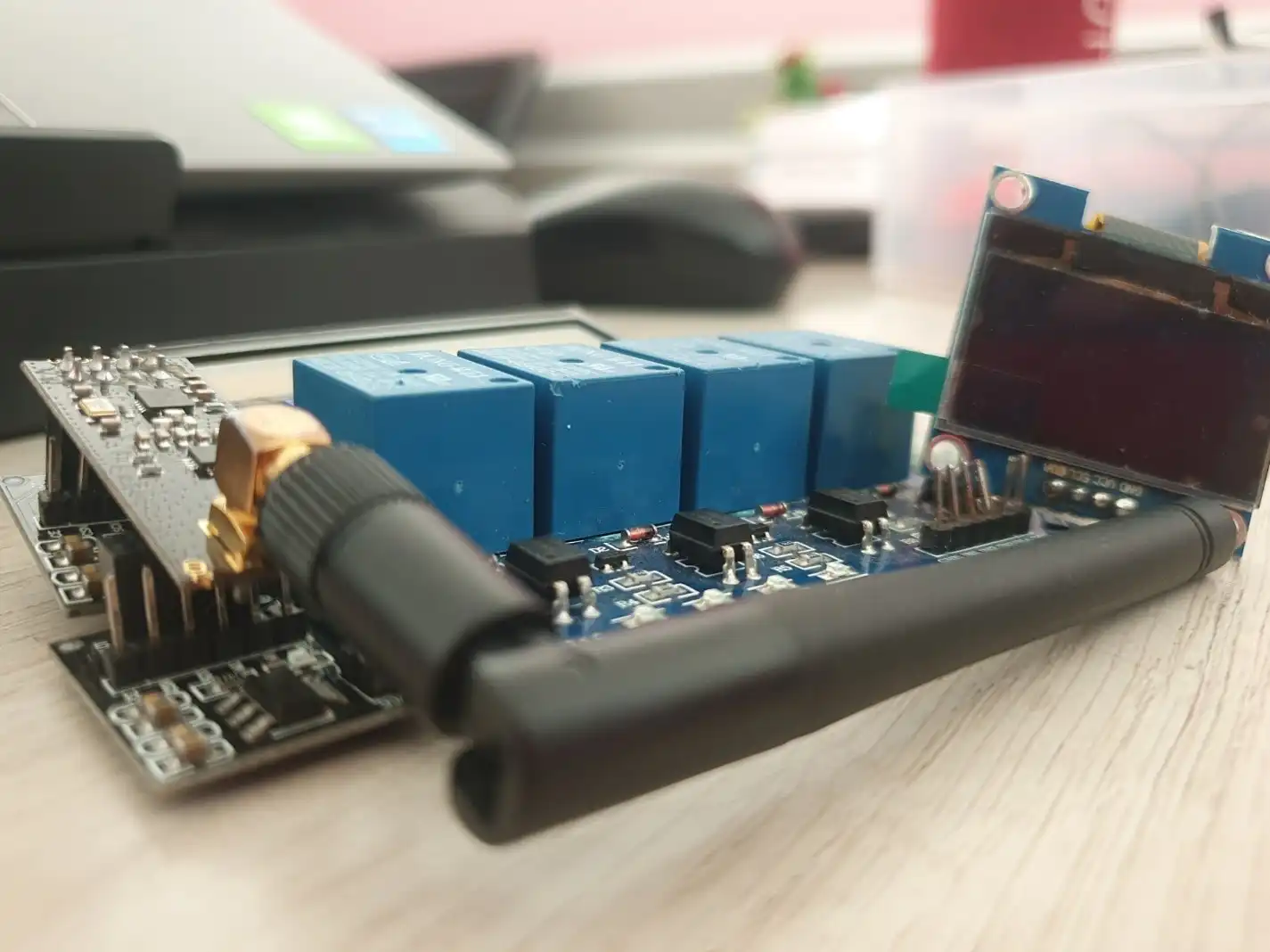
Beyond scheduled coursework, the laboratory functions as a project-incubation space, supporting mini-projects, final-year projects and student research involving sensor-based systems, biomedical monitoring devices, signal-conditioning circuits, data-acquisition systems and embedded prototypes. This mentor-guided, open-access environment cultivates problem-solving ability, design thinking, teamwork and professional confidence.

.png)