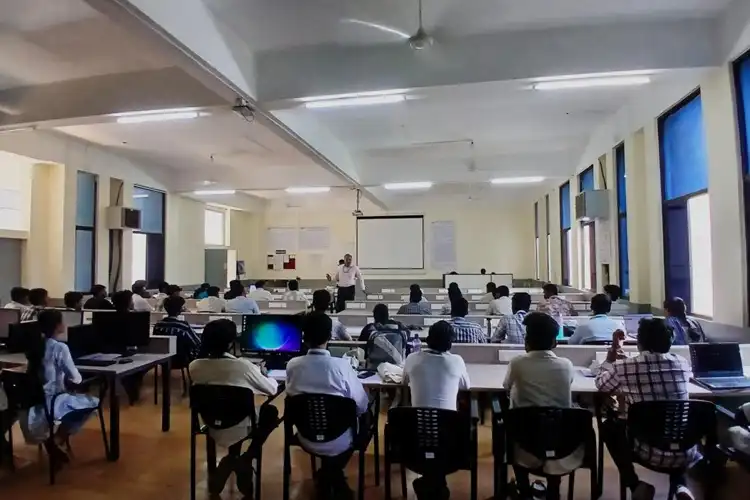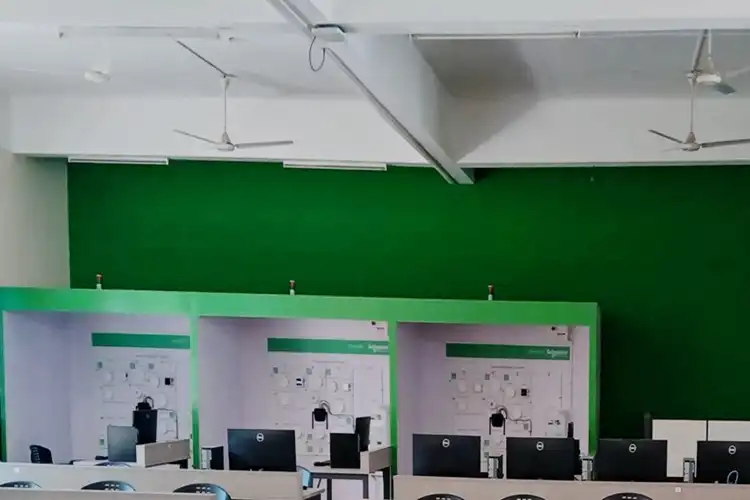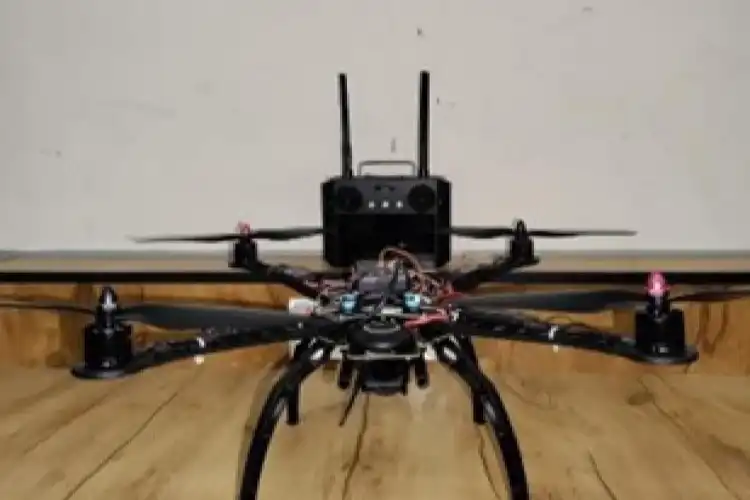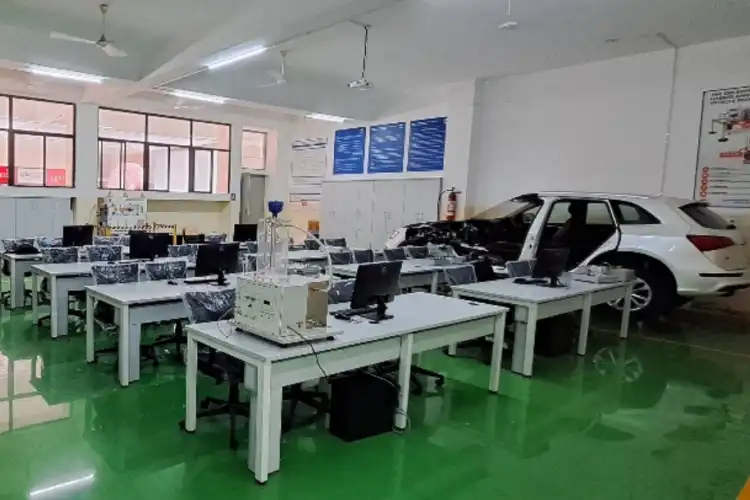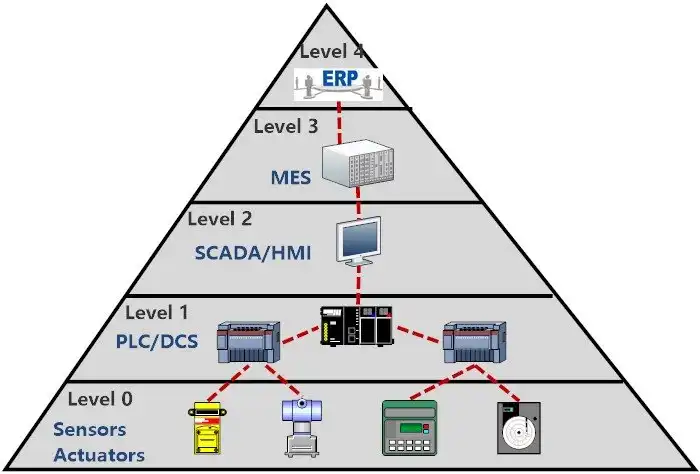

Mechatronics engineering technologists use a combination of mechanical, electrical, computer and software skills to work with smart technologies, such as robots, automated guided systems and computer-integrated manufacturing equipment.
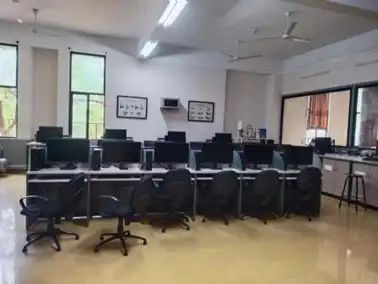
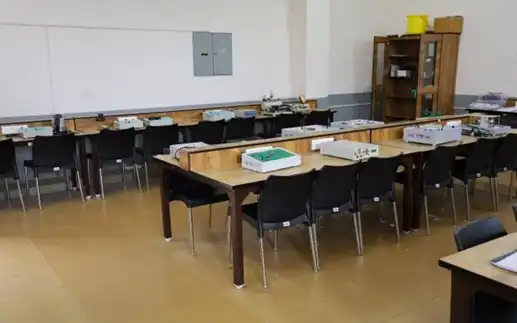
The department of Mechatronics Engineering was started in the year 2022 as one of the core engineering disciplines of the institute. The department at KPRIET offers undergraduate B.E program in Mechatronics Engineering, providing students with a comprehensive understanding of robotics, automation, control systems, sensors, and other relevant technologies. The curriculum includes theoretical knowledge as well as hands-on experience through laboratory work, projects, and internships with industry collaborations. Students studying in the Department of Mechatronics Engineering will gain a strong foundation in engineering principles along with specialized knowledge in mechatronics. They have access to state-of-the-art facilities and equipment to support their learning and research activities. The department focus on research and development in areas such as autonomous systems, robotics and automation, embedded systems, and mechatronic product design. Faculty members are be experts in their respective fields, contributing to both academic and industrial advancements through their research endeavours.
Overall, the Department of Mechatronics Engineering at KPRIET provides students with a comprehensive education and practical skills to excel in the rapidly evolving field of mechatronics and contribute to technological innovations.



To be a transdisciplinary department for the development of academic excellence and research in the field of Mechatronics, catering to the needs of the Industry and the Society.
PEO 1: The graduates of Mechatronics Engineering will possess adequate knowledge and skill to succeed in their professional career.
PEO 2: The graduates of Mechatronics Engineering will analyse, design and develop a transdisciplinary engineering-based products and processes for real world applications
PEO 3: The graduates of Mechatronics Engineering will practise their profession with good ethical and human values
PO 1. Engineering knowledge: Apply knowledge of mathematics, natural science, computing, engineering fundamentals and an engineering specialization as specified in WK1 to WK4 respectively to develop to the solution of complex engineering problems.
PO 2. Problem analysis: Identify, formulate, review research literature and analyze complex engineering problems reaching substantiated conclusions with consideration for sustainable development. (WK1 to WK4)
PO 3. Design/Development of Solutions: Design creative solutions for complex engineering problems and design/develop systems/components/processes to meet identified needs with consideration for the public health and safety, whole-life cost, net zero carbon, culture, society and environment as required. (WK5)
PO 4. Conduct Investigations of Complex Problems: Conduct investigations of complex engineering problems using research-based knowledge including design of experiments, modelling, analysis & interpretation of data to provide valid conclusions. (WK8)
PO 5. Engineering tool usage: Create, select and apply appropriate techniques, resources and modern engineering & IT tools, including prediction and modelling recognizing their limitations to solve complex engineering problems. (WK2 and WK6)
PO 6. The engineer and the world: Analyze and evaluate societal and environmental aspects while solving complex engineering problems for its impact on sustainability with reference to economy, health, safety, legal framework, culture and environment. (WK1, WK5, and WK7).
PO 7. Ethics: Apply ethical principles and commit to professional ethics, human values, diversity and inclusion; adhere to national & international laws. (WK9)
PO 8. Individual and collaborative team work: Function effectively as an individual, and as a member or leader in diverse/multi-disciplinary teams.
PO 9. Communication: Communicate effectively and inclusively within the engineering community and society at large, such as being able to comprehend and write effective reports and design documentation, make effective presentations considering cultural, language, and learning differences
PO 10. Project management and finance: Apply knowledge and understanding of engineering management principles and economic decision-making and apply these to one’s own work, as a member and leader in a team, and to manage projects and in multidisciplinary environments
PO 11. Life-Long learning: Recognize the need for, and have the preparation and ability for i) independent and life-long learning ii) adaptability to new and emerging technologies and iii) critical thinking in the broadest context of technological change. (WK8)
PSO 1: Graduates will be able to apply the gained knowledge and skills to design, develop and implement mechatronics systems in fields of engineering and sciences.
PSO 2: Graduates will be able to apply innovative ideas and multidisciplinary approaches to solve real world problems.
Duration: 4 years (Regular) / 3 Years (Lateral Entry)
No. of Semesters: 8 (Regular) / 6 (Lateral Entry)
Intake / No. of Seats: 60




Associate Tech Lead / MI

Associate Tech Lead / MI

Senior Assistant / MI
Who can study Electronics and Communication Engineering at KPR Institute of Engineering and Technology
The candidates must have passed the 12th standard(intermediate) or its equivalent examination from the Government recognized board with the subjects as Physics, Chemistry and Mathematics with the percentage as 45% (for general candidates), 40% (for backward class including Muslim), 40% (MBC & DNC) and 40% (for SC/ST/SCA) candidates.
As the candidates from other states are considered under General Category, a pass with minimum average marks in Physics, Chemistry and Mathematics put together as 45% (General Category)
The candidate should have passed in all the subjects and scored a minimum average of 45% in Physics, Chemistry and Mathematics put together as in General Category
The candidate should have passed in all the subjects and scored a minimum average of 45% in Physics, Chemistry and Mathematics put together
Passed Diploma examination with at least 45% marks (40% marks in case of candidates belonging to reserved category) in ANY branch of Engineering and Technology

Download the strategy document to understand what are the opportunities available for a student at KPRIET

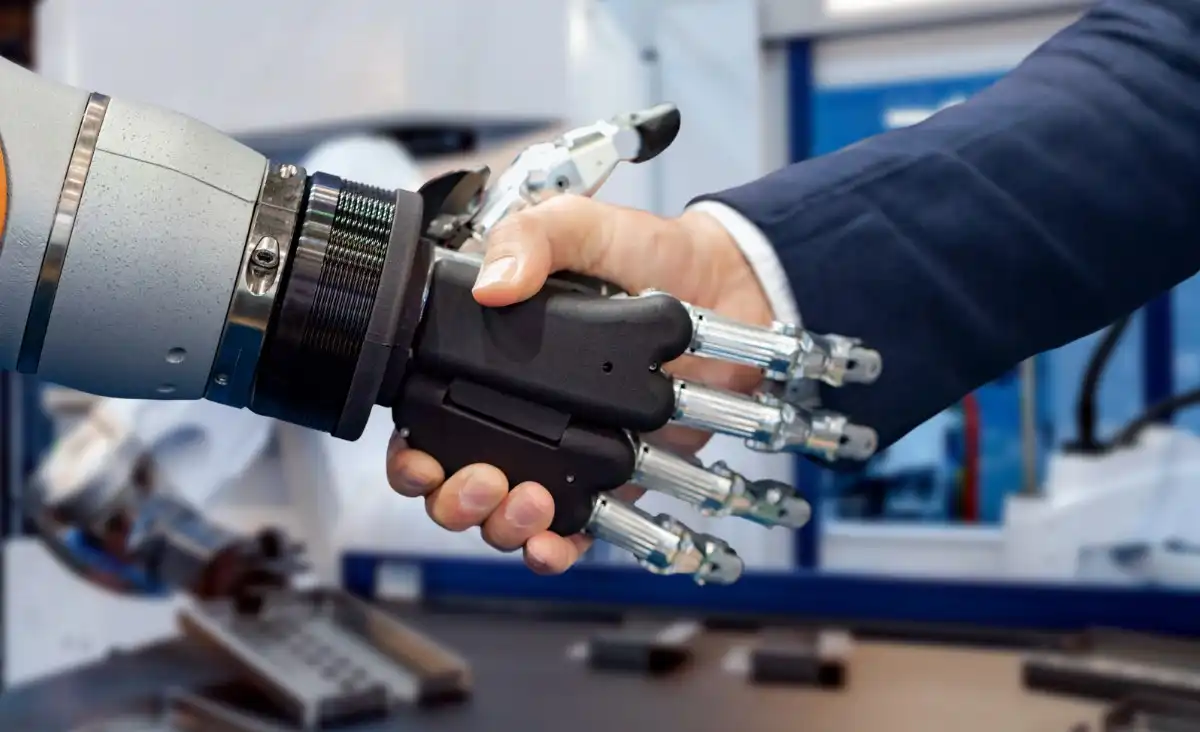

























KPRIET – An AI Integrated Campus
Preparing future-ready engineers with AI-integrated teaching and learning. KPRIET integrates Artificial Intelligence across teaching, learning, research and innovation to create a smarter, future-ready campus experience for students and faculty.