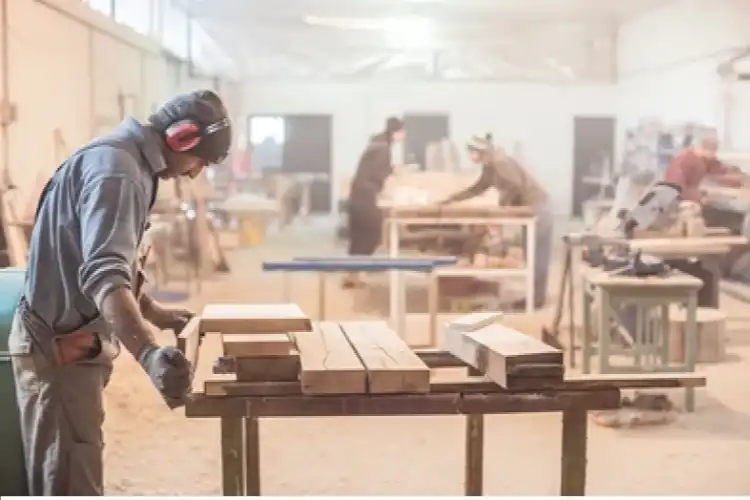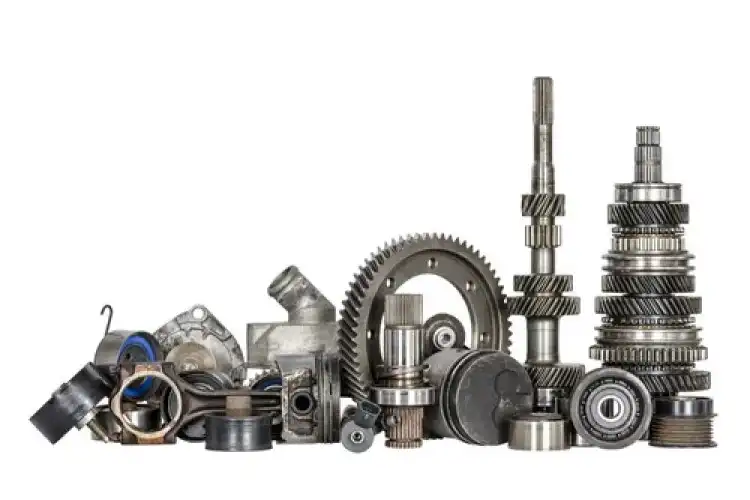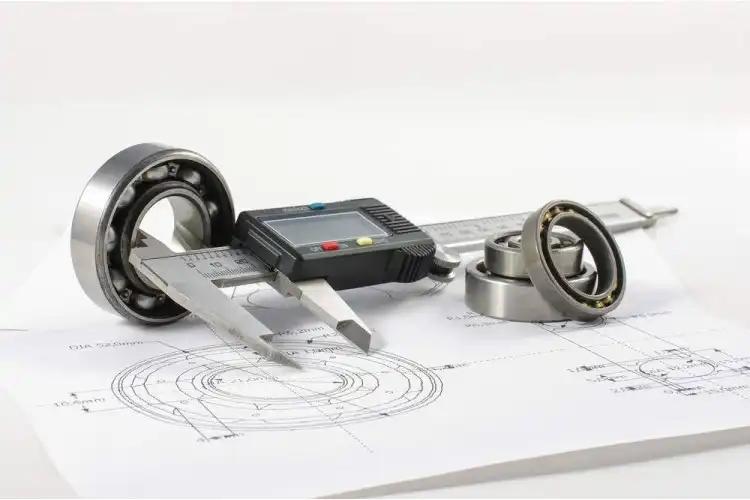


Mechanical engineering is a discipline of engineering that applies the principles of physics and materials science for analysis, design, manufacturing, and maintenance of mechanical systems.

The Department of Mechanical Engineering at KPR Institute of Engineering and Technology (KPRIET) is committed to excellence in engineering education, research, and innovation. Recognized as a research centre by Anna University, the department fosters a strong culture of scholarly activities and interdisciplinary collaboration. The academic and research contributions of its faculty have earned prestigious international recognition,including inclusion among the World's Top Scientists by Stanford University and Elsevier.
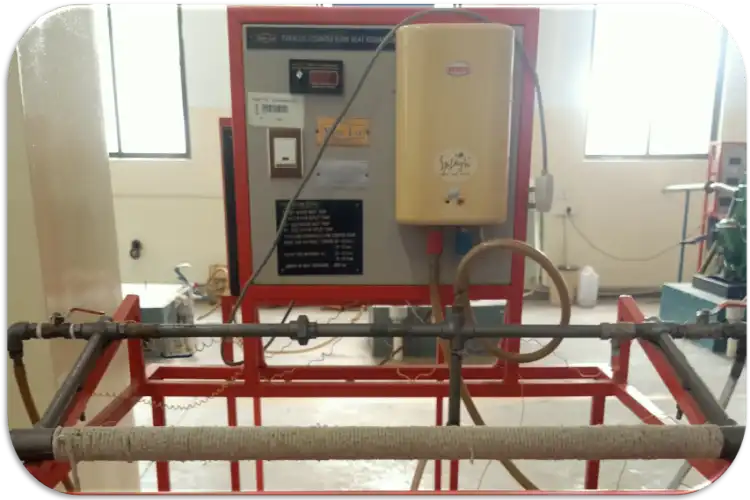
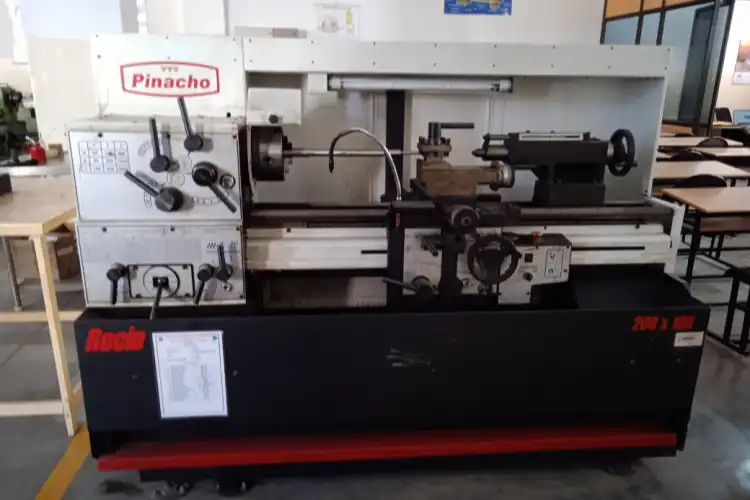
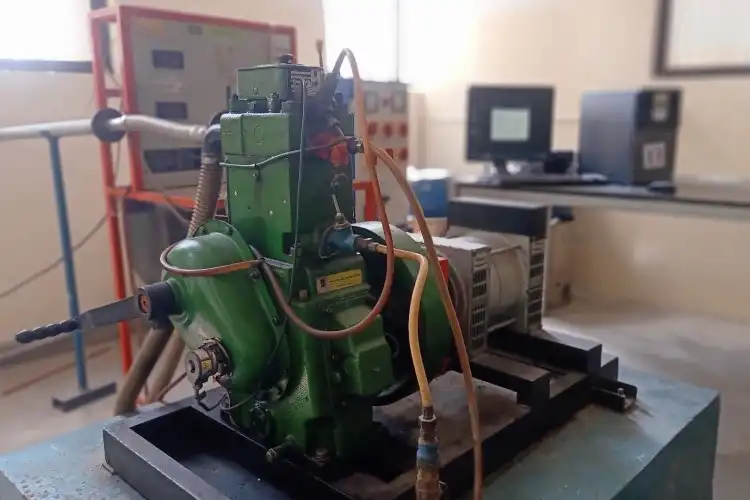
The department offers a stimulating academic environment supported by modern laboratories, advanced research facilities, and Centres of Excellence. Focusing on emerging technologies and multidisciplinary learning, the department encourages students to engage in research, product development, technical competitions and professional activities. Strong industry interactions and experiential learning opportunities help students build the technical expertise, problem-solving abilities, and leadership skills required for successful engineering careers.

Welcome to the Department of Mechanical Engineering at KPR Institute of Engineering and Technology.
Since its inception in 2009, the department has grown into a vibrant centre for engineering education, research, innovation, and industry collaboration. Our focus is to develop skilled engineers, creative problem-solvers, and responsible professionals who can contribute effectively to an evolving technological world.
Mechanical Engineering continues to play a pivotal role in shaping modern industries, and our department remains committed to preparing students for the opportunities and challenges of the future. We combine strong academic foundations with hands-on learning, industry exposure, and research-driven education to create a holistic learning environment.
The department takes pride in its strong research culture, reflected through 886 publications, including 775 Scopus-indexed papers, over 19,900 citations, and more than 300 patents. Our faculty members have also earned recognition among the World's Top 2% Scientists by Stanford University, highlighting our commitment to academic excellence and impactful research.
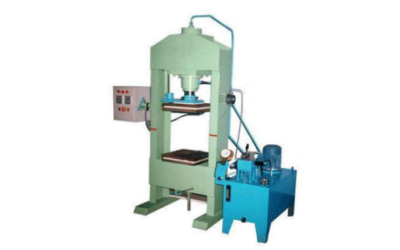
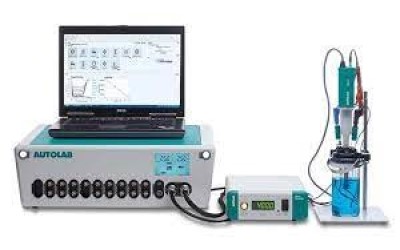
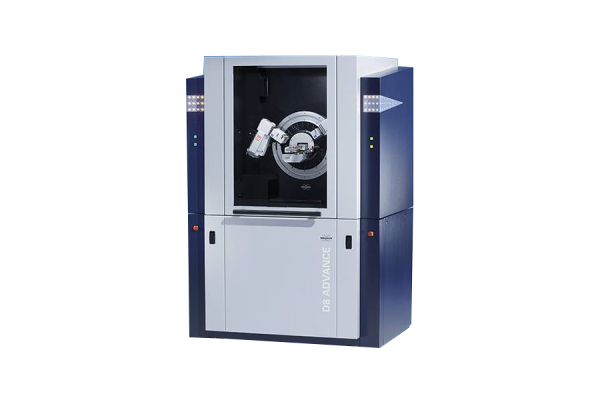
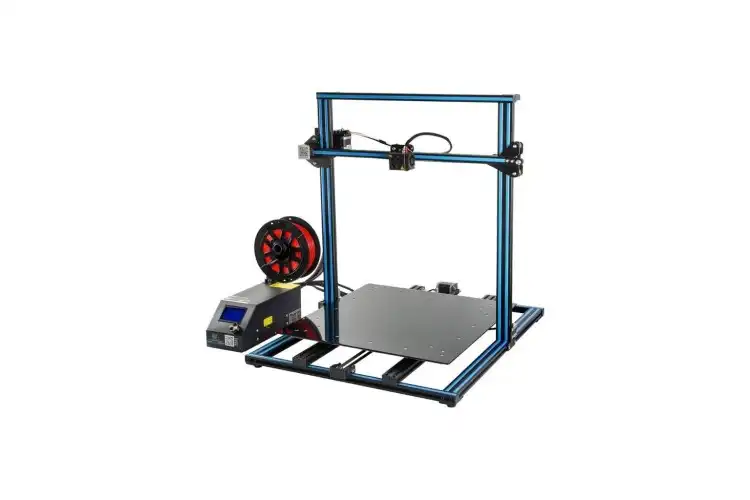
To support experiential learning, we have established Centres of Excellence in Manufacturing & Material Testing, Vertical Transportation, Robotic Welding & NDT, 3D Printing, and Advanced Materials Characterization.
Our students consistently excel in prestigious national and international competitions, demonstrating innovation, technical expertise, teamwork, and leadership.
At the Department of Mechanical Engineering, we believe in inspiring curiosity, fostering innovation, and creating engineers who make a meaningful impact on society.



To be recognized as a premier centre in the field of mechanical engineering education, research and development to meet the changing needs of industry and society
PEO 1: Excel in their professional career with competencies in the field of Mechanical and Allied Engineering
PEO 2: Apply modern research and simulation tools to solve industrial and societal needs
PEO 3: Practice professional and ethical values in their respective organizations and society
PO 1. Engineering knowledge: Apply the knowledge of mathematics, science, engineering fundamentals, and an engineering specialization to the solution of complex engineering problems.
PO 2. Problem analysis: Identify, formulate, review research literature, and analyze complex engineering problems reaching substantiated conclusions using first principles of mathematics, natural sciences, and engineering sciences
PO 3. Design/ development of solutions: Design solutions for complex engineering problems and design system components or processes that meet the specified needs with appropriate consideration for the public health and safety, and the cultural, societal, and environmental considerations.
PO 4. Conduct investigations of complex problems: Use research˗based knowledge and research methods including design of experiments, analysis and interpretation of data, and synthesis of the information to provide valid conclusions
PO 5. Engineering tool usage: Create, select, and apply appropriate techniques, resources, and modern engineering and IT tools including prediction and modeling to complex engineering activities with an understanding of the limitations
PO 6. The Engineer and The World: Apply reasoning informed by the contextual knowledge to assess societal, health, safety, legal and cultural issues and the consequent responsibilities relevant to the professional engineering practice
PO 7. Ethics: Apply ethical principles and commit to professional ethics and responsibilities and norms of the engineering practice
PO 8. Individual and Collaborative Team work: Function effectively as an individual, and as a member or leader in diverse teams, and in multidisciplinary settings.
PO 9. Communication: Communicate effectively on complex engineering activities with the engineering community and with society at large, such as, being able to comprehend and write effective reports and design documentation, make effective presentations, and give and receive clear instructions
PO 10. Project management and finance: Demonstrate knowledge and understanding of the engineering and management principles and apply these to one’s own work, as a member and leader in a team, to manage projects and in multidisciplinary environments
PO 11. Life-long learning: Recognize the need for, and have the preparation and ability to engage in independent and life-long learning in the broadest context of technological change.
PSO 1: Design, develop and implement advanced mechanical systems by applying engineering principles for improved performance and less human effort.
PSO 2: Apply quality tools to ensure quality, articulate maintenance principles and demonstrate managerial skills to comprehend the mechanical engineering processes and services.
Duration: 4 years (Regular) / 3 Years (Lateral Entry)
No. of Semesters: 8 (Regular) / 6(Lateral Entry)
Intake / No. of Seats: 60



Tech Lead / ME

Tech Lead / ME

Senior Lab Technician / ME

Senior Lab Technician / ME

Junior Assistant / ME
Mechanical Engineering department is a recognized research Center by Anna University Chennai for doing Ph.D.

Download the strategy document to understand what are the opportunities available for a student at KPRIET

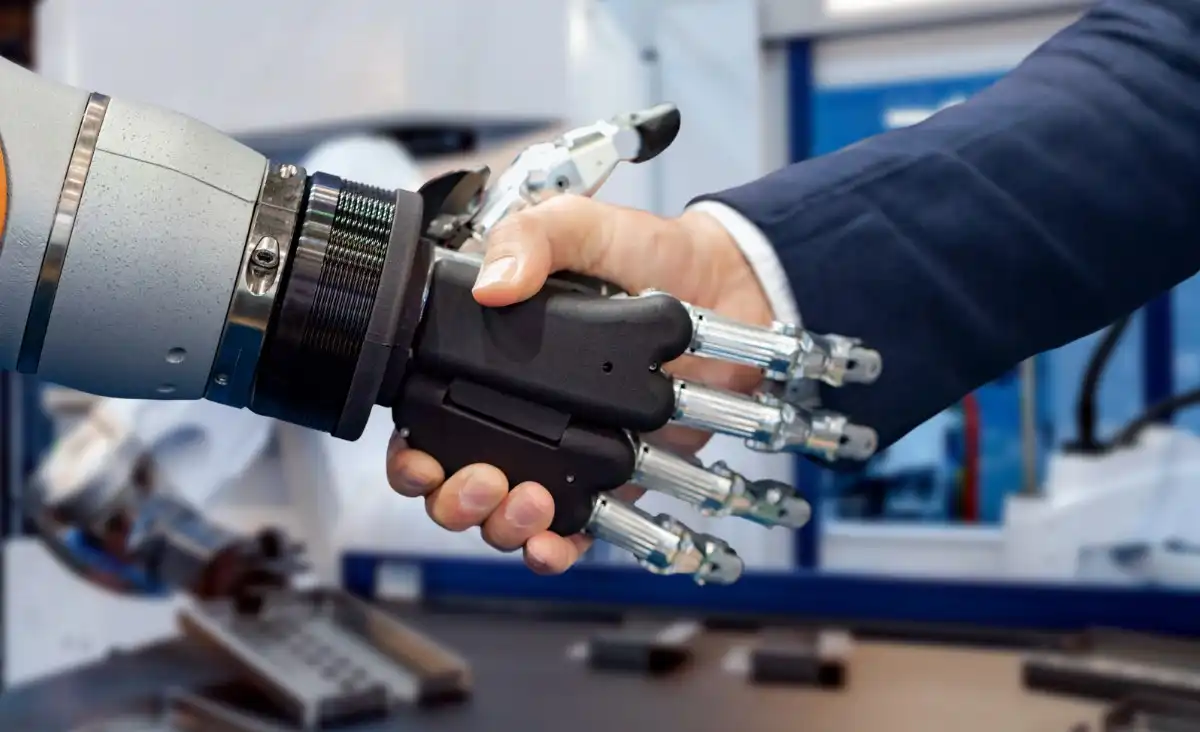

























KPRIET – An AI Integrated Campus
Preparing future-ready engineers with AI-integrated teaching and learning. KPRIET integrates Artificial Intelligence across teaching, learning, research and innovation to create a smarter, future-ready campus experience for students and faculty.